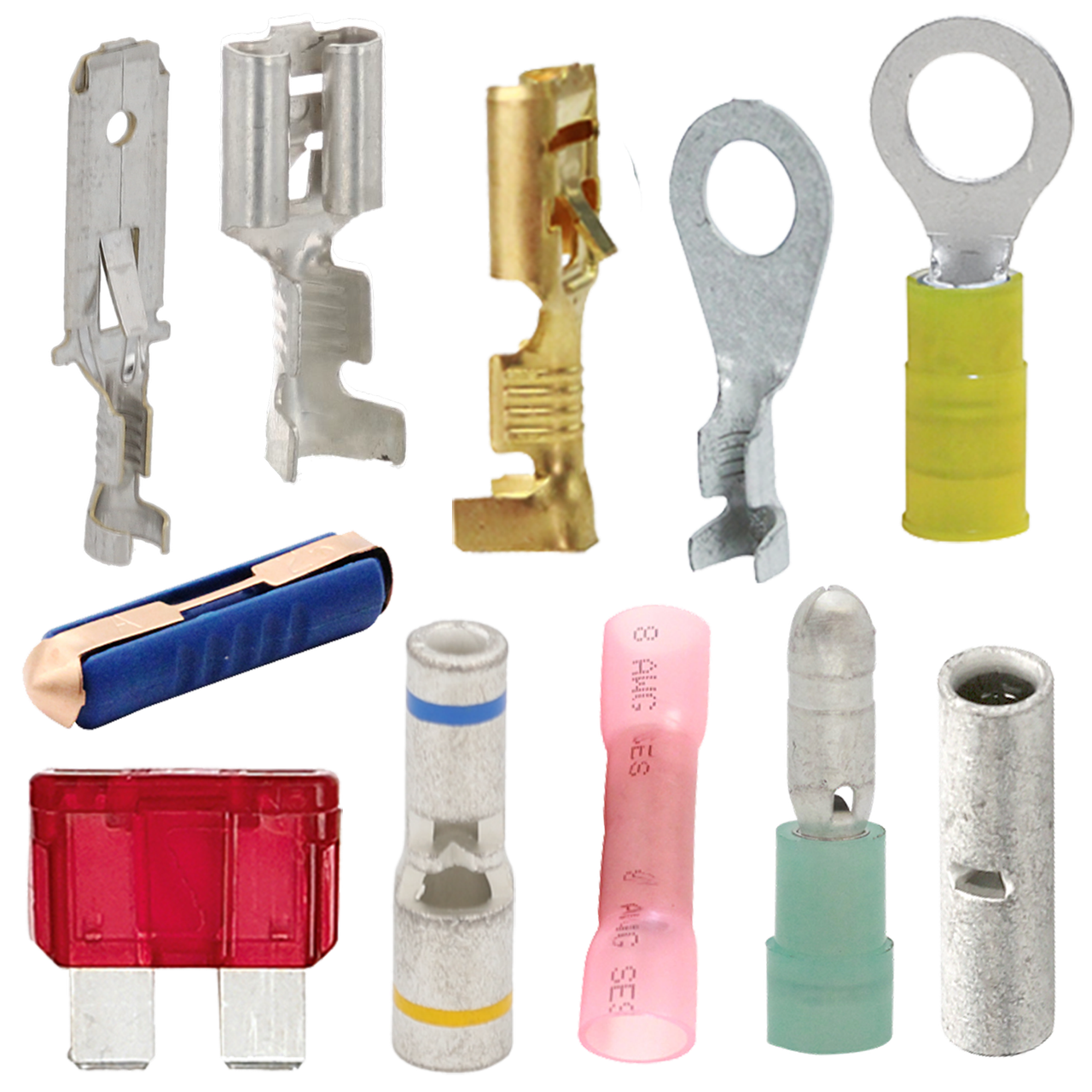
Crimp and heat‑shrink connectors—including spade, eye, and butt terminals—create secure electrical connections resistant to moisture and vibration. Adhesive‑lined styles enhance sealing, while standard versions provide dependable mechanical contact. These connectors are built for consistent conductivity, durability, and long‑term electrical performance.
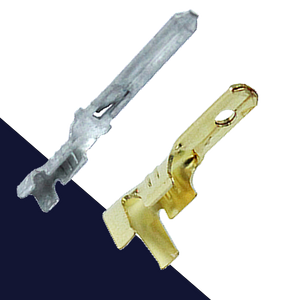


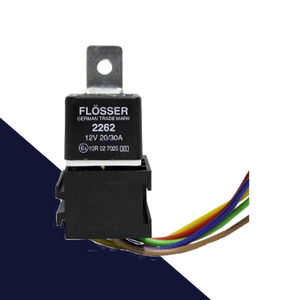
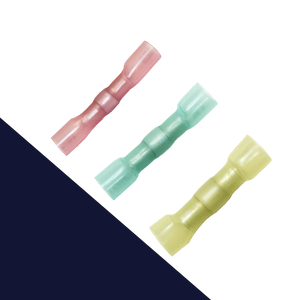


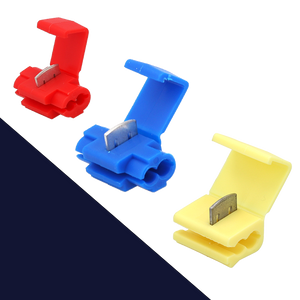





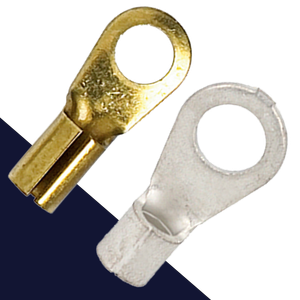
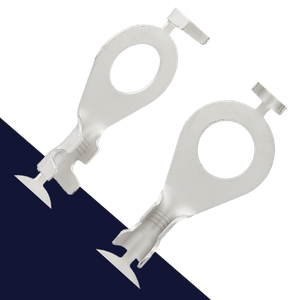


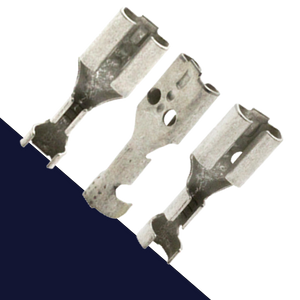


Common types include spade connectors for push-on terminals, eye or ring terminals for screw or stud connections, butt connectors for joining two wires end to end, and bullet connectors for quick in-line disconnects. Other types include closed-end connectors, tap connectors like Scotch Locks, and heat-shrink sealed connectors.
BelMetric stocks spade connectors in 2.8 mm, 4.8 mm, and 6.3 mm sizes, eye (ring) terminals by stud size, and butt, bullet, and closed-end connectors. The line also includes Scotch Lock and T-tap connectors, automotive fuses, and relay harnesses.
Yes. BelMetric stocks sealed butt connectors in crimp-and-shrink and crimp-and-solder styles, crimp-and-shrink spade and eye terminals, and stepped butt connectors for joining different wire sizes. The adhesive-lined styles seal out moisture, which matters in engine bays and under-vehicle wiring.
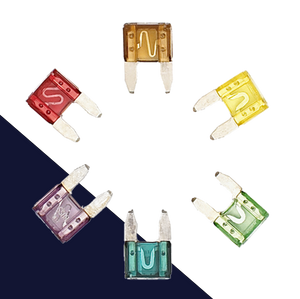
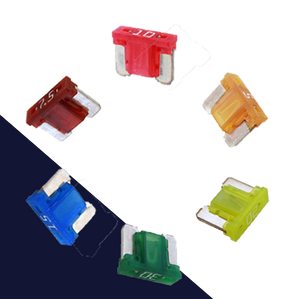
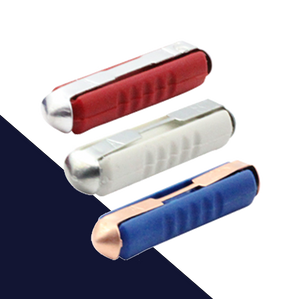
BelMetric stocks ATC plug-in, Mini ATC, low profile, and Maxi APX blade fuses, plus torpedo-style fuses used on many older European vehicles. Fuses, relays, and terminals ship together from BelMetric's Massachusetts warehouse, and U.S. orders over $99 ship free.
The number is the width of the spade tab. A 6.3 mm spade is the common quarter-inch terminal used on switches, relays, and fuse blocks. A 4.8 mm spade is about 3/16 inch, and a 2.8 mm spade is a small terminal used in compact connectors. Male and female spades must be the same width to fit.
A double crimp terminal has two sets of crimp wings. One set grips the bare wire conductor for the electrical connection, and the second grips the wire's insulation to relieve strain. That second crimp keeps vibration and pulling from breaking the conductor at the joint, which is why double crimp terminals are common in automotive wiring.
Terminals are rated for a wire gauge range in AWG. Insulated terminals are usually color-coded: red for 22–18 AWG, blue for 16–14 AWG, and yellow for 12–10 AWG. Match the terminal's range to your wire, and for eye terminals, also match the hole size to the stud, such as 5 mm or 6 mm.
A male connector has a tab, pin, or plug that inserts into a female connector, which has a receptacle that grips it. Together they form a joint that can be connected and disconnected. Common automotive pairs include male and female spade connectors and male and female bullet connectors.
Spade connectors use a flat blade and are common on switches, relays, and fuse blocks. Bullet connectors use a round pin and sleeve, making them compact and easy to insulate for in-line wire connections, such as on motorcycles and lighting. Both come in male and female versions and disconnect without tools.
